
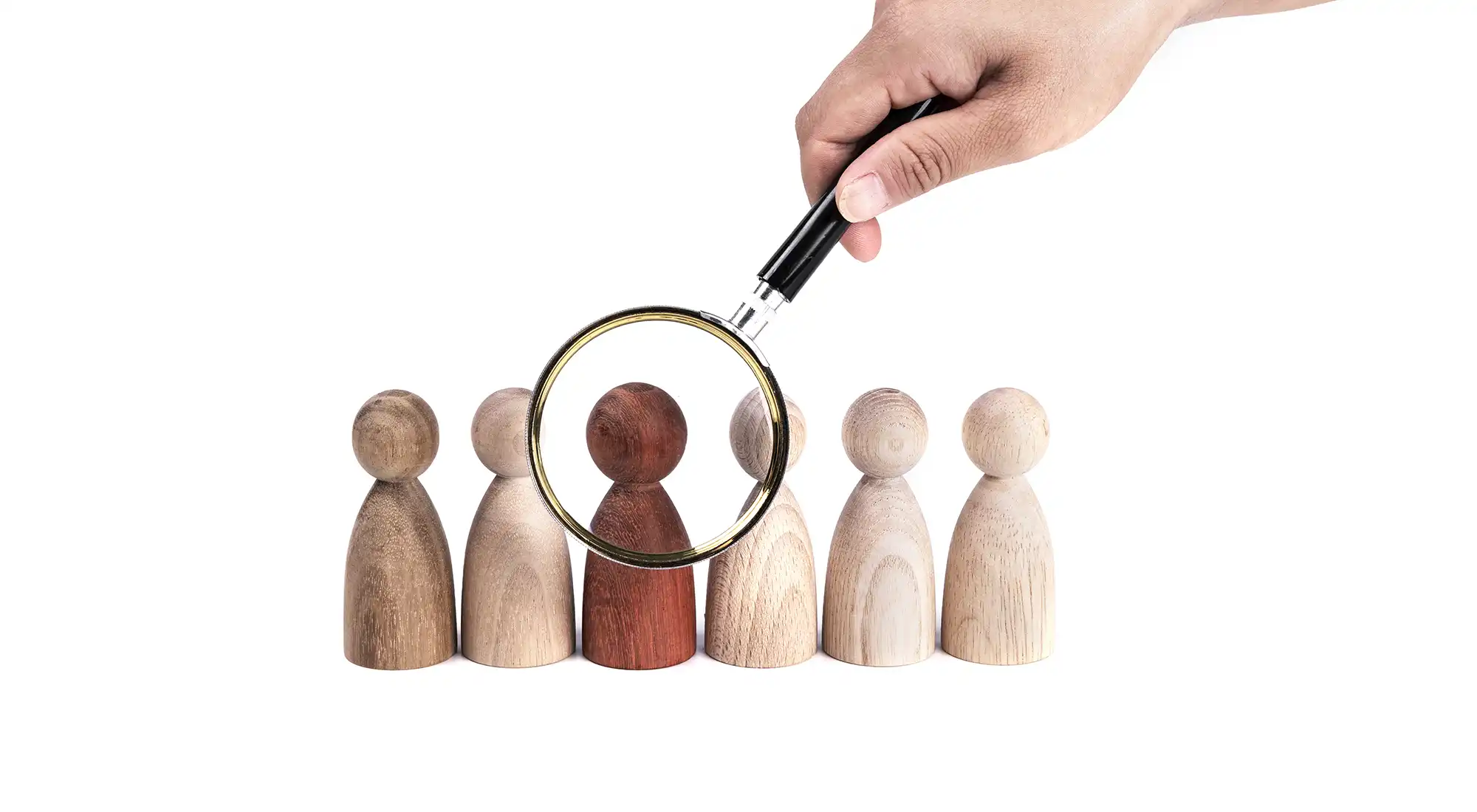
To better understand how people think and feel about the work they do every day and their sense of identity in relation to their jobs, ADP sponsored extensive field research to learn directly from workers themselves. A report was developed for anyone interested in gaining a deeper understanding of the social and cultural forces that shape workers, work, and livelihoods.
What did we learn?
Based on conversations with a wide range of people, each of whom has kindly shared how they think and feel about work in their lives, we have identified four territories that we believe are worth mapping.
The world of work is evolving rapidly.
How people work, where they work, why they work, when they work, and what they believe about work are questions with many different and dynamic meanings. Over the past few years, people have deeply reflected on the role of work in their lives in the shadow of social unrest and a global health crisis.
We know that people have been impacted unequally.
Many continued to go to a physical workplace with all the risks and anxieties that this produced, while others were able to experience the benefits and burdens of working remotely. Hybrid work is now a buzzword, but also a reality that applies to some and not to others.
What do we know about the ways workers “navigate” and reflect on “the world of work”? What is this world? What is work?
This report is for anyone interested in gaining a deeper insight and understanding of the social and cultural forces shaping workers, work, and livelihoods. Based on conversations with a diverse range of people, each of whom has kindly shared how they think and feel about work in their lives, we've identified four territories that we believe are worth mapping.
When a cultural anthropologist and a business ethnographer decide to get together to collaborate on a research topic related to work and identity, it’s not easy to know where to start. First, it’s a huge topic. Second, it can be approached in many ways and from many angles. How do we find out more about the ways people think and feel about work? It all starts with identifying the questions we believe are most relevant. to the topic and to the people who have interesting perspectives and are willing to share them with us.
It is within the spirit of this participant-observer tradition that we endeavor to make sense of the cultural dimensions that shape workers' jobs and attitudes towards them. We have been rewarded with insights both profound and everyday. In time, and as conversations continue and new patterns emerge, we hope to share this growing body of knowledge again.
We're finding that people want to work and deeply value working, but they're rethinking their relationships with employers and jobs.
The place to start is by discovering the broadest cultural trends, how and why our relationship with work is changing.
New research identifies four (4) key territories of worker sentiment, which are:
- Time: Owning the ‘when’ of work. What matters to us as humans has changed. People are reprioritizing how much time they are willing to dedicate to work versus “everything else.” Who owns our days? Who owns our time? How can we improve the use of time for the benefit of workers? Are we paying people for their time or something like it? Is time the best measure of value? Are there ways to give people more control over when and how they work? Have we asked the people doing the work if there is a better approach? Do we know what people want?
- Risk: staying with one employer for too long. People no longer see having a job as a way to reduce risk and increase security. Instead, they value independence, autonomy, and freedom. How to optimize decisions. The choices that are made. Why does embracing risk feel like the best option for some? Career choices are often tied to financial security. But we have matured in our understanding that nothing is secure. The business world moves in more agile ways, often at the expense of employee security. People are redefining what job risk truly means. Is it riskier to be employed in one place than in three? Is it riskier to work for someone else or for yourself? Is there more risk in staying in one place or changing jobs every few years? These questions are being seriously asked by today's workers.
- Humanity: burnout, social problems, and systemic change. People are trying to make sense of their place within larger social structures and examining the structures themselves. This, in turn, invites new interpretations of our existing models of work, jobs, companies, power and leadership. Who do I work for? What contribution do I make? How does this respond to societal needs? People want to join companies with which they share value systems. Do people understand how their work makes a difference to the organization and our customers? Do we encourage people to do more of what they love and are good at? Do we reward making a difference or primarily aim for efficiency and productivity? Do we let people know they are important? Do we reduce people's stress at work or through policies or benefits? Do our words and actions match? Are we more concerned about compliance than a culture where people are seen, heard and valued? What is more important than helping our people thrive?
- Relevance: The effects of digital tools. Technology changes faster than people. While the goal of most technology companies is to make things easier and better for people, the relentless focus on efficiency and productivity in technology sometimes loses sight of the humans who use it. The relationship between people and technology. The digital and the analog. What systems do we have and what are they designed to do? What do they do? Are our systems delivering the results we want? Are there results we want that don't have systems or incentives to do them? What do we measure to determine progress or success? Are our measures based on what is wanted or what is easy to measure? Do our KPIs reflect what is important to the work, the business, and the humans doing the work? People of all ages and occupations are feeling the pressure to stay relevant in the face of increasing technical expertise, automation and rapid digitization. In the face of these realities, what does it mean to be a relevant human being?
In March 2020, organizations learned that they could do things in new ways, including some they didn't think were possible. Workers learned that too.
Many of us realized that work is not a place; we could work wherever we are. For those of us who continued to work on-site, we learned how vulnerable we are. We all started to reevaluate what it means to feel safe and how to protect ourselves.
What we're seeing is a shift in the relationship between work and workers. It turns out we don't really have to keep doing things just because that's how we've always done them; all sorts of new things and options are possible. While the temptation is always to go back to “normal,” that's really our human desire to feel comfortable and know what to expect. But humans are also creative, curious, and adaptable. It's time to apply that to how we work. This is a unique opportunity for organizations to ask themselves how they do everything.
The work is fundamentally about creation, value, and exchange. How can we design our organizations to optimize the human experience?
About ADP and Advice
Serving over 990,000 clients (businesses) in 140 countries, ADP has the experience and scale to support organizations of all sizes, across all industries. ADP pays more than 39 million workers worldwide each month and 1 in 6 workers in the U.S. With integrated technology platforms, data analytics, and guidance strategies across all aspects of human capital management, ADP is focused on shaping the future of work.
Advice is a leading company in Uruguay in Human Resources Solutions that contributes to Decision Makers meeting their organizational objectives. It is the exclusive Partner of ADP in Uruguay and Paraguay.